
Scheduling chaos and missed virtual appointments
Virtual medical assistants organize calendars, send reminders, and confirm visit details to reduce no‑shows and fragmentation across telemedicine platforms. They coordinate appointment times that fit both provider availability and patient needs, updating details and handling schedule so your practice stays on track and patients join calls on time.
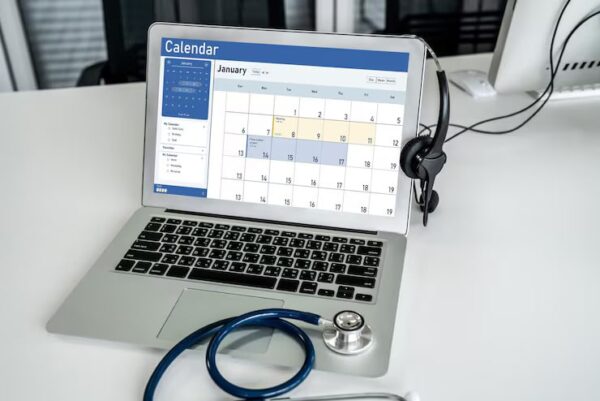
How virtual assistants handle telemedicine appointment flow
Virtual assistants manage invitations, login links, and reminders, reducing manual follow‑up and confusion for both clinicians and patients. They can also troubleshoot common access issues before the visit begins.
Burden from electronic health record work and documentation
Virtual medical assistants take on EHR tasks like updating patient charts, entering visit data, and transcribing notes from virtual consultations. Offloading these duties helps practices maintain accurate digital records and frees clinicians to focus on care delivery rather than data entry.
Essential Documentation Support With a Virtual Medical Assistant in Telemedicine
From intake forms to post‑visit summaries, remote assistants ensure that records are current and accessible, which improves continuity of care and reduces the time your team spends on administrative overhead.
Patient communication bottlenecks and unanswered inquiries
Virtual assistants support telemedicine by managing patient messages, answering routine questions, and guiding patients through telemedicine services. By handling administrative tasks, prioritizing incoming contacts based on healthcare urgency, and integrating seamlessly into the care cycle, they help practices reduce delays, improve patient satisfaction, and optimize revenue through strategic outsourcing
Patient-Centered Communication Workflows With a Virtual Medical Assistant in Telemedicine
Proactive follow‑ups, clear explanations of next steps, and triage of questions help prevent confusion and guarantee that important healthcare messages reach your team quickly.
Compliance risks and data privacy in digital care
Telemedicine demands strict compliance with regulations like HIPAA to protect patient privacy. Virtual medical assistants trained in secure information handling and medical records management support practitioners by managing patient interactions, scheduling, and treatment plans, reducing no-shows, resolving technical issues, and assisting with revenue cycle management to keep operations efficient and trustworthy.

Secure handling of patient information
These assistants operate within secure systems and adhere to strict data protection protocols, ensuring patient data and communications meet regulatory standards. They also manage administrative tasks and support patient outreach, helping reduce administrative burdens and drive overall improvement in practice efficiency.
Choosing the right communication channel for telemedicine support
Using the right channels assures patients can access care smoothly while reducing administrative strain. Phone is best for urgent queries with call screening; email works for non-urgent post-visit check with priority flags; chat is fast for quick answers with triage rules; portal messaging is secure for ongoing coordination; and external forms capture leads with validation checks. Structured channels with filtering and targeting tools help prioritize legitimate patient contacts and improve telemedicine workflow.
Technical hurdles and telehealth platform confusion
 Many patients face challenges with platform setup, login issues, and technical requirements for virtual visits. Virtual medical assistants (VMAs) manage these tasks behind the scenes, using encryption to protect sensitive information, educating patients on platform use, and assuring sessions start smoothly. By integrating VMAs into your telemedicine operations, practices can maintain convenient, secure care while boosting productivity and overall operational performance.
From pre‑visit checks to live assistance, remote assistants help patients join without frustration, reducing drop‑offs and rescheduled consultations.
Overwhelming follow‑up and patient adherence tasks
After virtual consultations, patients often need appointment reminders, guidance on follow-up tests, prescriptions, or ongoing care based on their diagnoses. Virtual assistants conduct these tasks to communicate important information, inform patients of next steps, and maintain a seamless care experience, while helping your clinical staff minimize manual tracking and enhance familiarity with each patient’s care plan.
Sustaining care continuity after virtual visits
Scheduled reminders and systematic follow‑up messaging help ensure patients remain engaged with their care plan without adding hours to your internal workload.
Convincing leadership that remote support improves operations
Decision makers may be concerned about quality, integration, and cost when evaluating virtual medical assistant support. Evidence from peer practices shows that remote administrative support optimized efficiency and patient satisfaction when paired with clear quality controls and secure processes.
Performance signals that matter
Focus on measurable outcomes to justify investment, such as reduced missed appointments, faster response times, enhanced documentation accuracy, and consistent communication. Use these results to clarify the value of services and gather data that supports operational improvements.