Delivering quality oral health guidance and preventive consultations outside traditional clinics can remove geographic barriers and help practices engage patients earlier in the care continuum. Remote dental hygiene services leverage secure video, digital imaging, and provider workflows to extend hygiene assessments, coaching, and triage without in-office visits.
Practices lack flexible options for preliminary oral health consultation
Many dental practices struggle to provide hygiene assessments and initial screenings outside scheduled chair time, yet extended patient needs persist between visits. Remote dental hygiene services can bridge this gap by using synchronous video and asynchronous data (photos, messaging) to capture oral health indicators and advise on next steps. This approach increases the likelihood of patient engagement and early intervention while allowing your team to focus on complex chairside care.
What remote dental hygiene services support looks like in action

Remote dental hygiene workflows often start with a secure patient intake form that collects symptoms and medical history. A Registered Dental Hygienist (RDH) or dentist reviews images and interacts with the patient through secure telehealth platforms to assess gum health, plaque concerns, or follow-up healing. When further care is needed, the system routes verified and qualified leads for in-office scheduling.
Teams struggle to screen and route remote inquiries efficiently
Practices increasingly receive online requests through forms, chats, and calls, but without proper validation and routing, many inquiries are low-quality or duplicate. A structured remote dental intake workflow improves inquiry quality by verifying contact details, offering qualification prompts (symptom specifics, urgency), and suppressing duplicates before routing to the right clinician. Integrating designated remote hygiene support reduces the filtering burden on in-office staff and increases likelihood of connecting with genuinely interested patients.
Our approach screens and validates contact details, assigns urgency based on responses, and ensures faster connection to your clinical team.
Patients often lack convenient access to preventive oral health guidance
Many patients live in areas with dentist shortages or face transportation challenges that delay preventive care. Remote dental hygiene services use technology to provide preventive counseling, oral hygiene coaching, and risk assessments from home or long-term care settings, helping reduce barriers to care. Licensed hygienists and dentists can offer guidance on plaque control, gingival assessment, and maintenance strategies.
Practical implementation in routine care
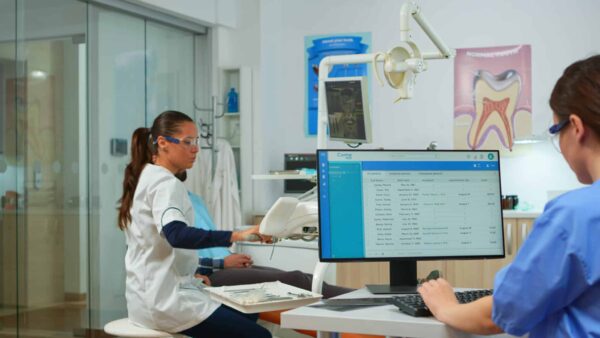
A practice might offer remote hygiene check-ins between scheduled cleanings to remind patients about optimal brushing and flossing, assess healing after periodontal therapy, or check compliance with prescribed oral care plans. These remote sessions improve continuity and patient satisfaction, and help identify issues early before they escalate.
Providers face uncertainty about compliance and scope for remote dental hygiene
Remote oral health services must align with state licensure and privacy laws, and teams often need clarity on legal requirements and documentation standards. Establishing defined protocols for secure platforms, informed consent, and recordkeeping ensures your remote dental hygiene support fits within regulatory frameworks and engages patients responsibly.
Building compliant remote workflows
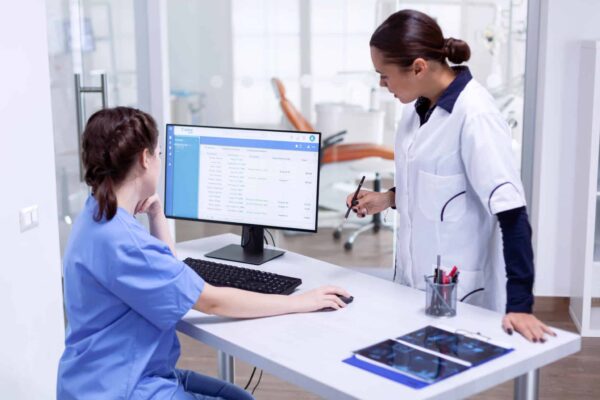
Ensure your telehealth platform meets HIPAA standards, train staff on virtual examination techniques, and document when remote care is appropriate versus when in-person follow-up is necessary. Establishing triage criteria and explicit consent improves care quality and protects your practice.
Practices need higher-quality inbound inquiries with fewer duplicates
Without targeted controls, online inquiry pathways can generate duplicates, partial responses, and low-intent contacts. Incorporating structured qualification questions (symptom duration, urgency, prior visits), real-time contact verification, and duplicate suppression reduces junk submissions and helps teams prioritize patients needing care.
Enhancing remote intake quality
Use phone/email verification at submission and offer clear buttons for scheduled telehealth versus callback requests. This reduces ambiguity and increases the probability that submitted inquiries represent genuine care needs.
Common questions about remote dental hygiene services and patient access
1. What is tele dentistry?
– Tele dentistry refers to the use of secure communication technologies, like video and digital imaging, to provide dental consultations, oral health guidance, and preliminary assessments without requiring patients to visit a clinic in person.
2. Can you receive oral hygiene guidance at home?
– Yes, remote oral hygiene sessions can provide education on brushing, flossing, and preventive risk reduction, though they may not replace hands-on cleanings.
3. Are online dental consultations safe?
– Secure telehealth systems use encrypted connections and require provider authentication to protect patient data; compliance with HIPAA and state regulations is essential.
4. Can a virtual dentist prescribe antibiotics?
– Some teledentistry platforms allow licensed providers to evaluate symptoms and prescribe medications remotely if within legal scope and state guidelines, often after assessment.
5. What does “remote” mean in healthcare?
– Remote healthcare refers to delivering health services using telecommunications tools when the provider and patient are in different locations.
Conclusion
Remote dental hygiene services support earlier patient engagement, ongoing care between visits, and more manageable digital inquiry flow. With structured intake, contact checks, and clinical routing, remote dental hygiene services help filter low-intent submissions, prioritize legitimate needs, and integrate virtual care without adding strain to in-office teams