Healthcare social media marketing for trusted patient leads
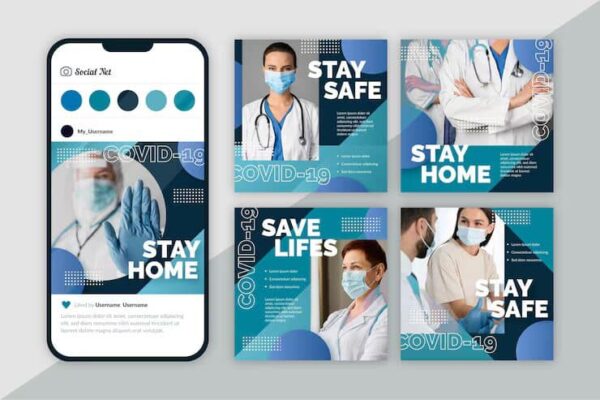 Healthcare social media marketing helps healthcare professionals and organizations maximize the benefits of social media by using social media strategically to reach the right audience, support public health initiatives, and turn social media use into meaningful patient conversations. By implementing a strong social media strategy and leveraging the right social network, healthcare organizations can filter out low-quality responses and increase engagement from individuals actively seeking their services, demonstrating the power of using social media in healthcare.
Address inconsistent social engagement and low-quality inquiries by leveraging social media in healthcare marketing through strategic social media posts and a strong social media presence. Our approach helps healthcare marketers validate interest, route leads based on intent, and prioritize timely, relevant follow-up, maximizing the benefits of using social media while minimizing potential risks associated with the use of social media and utilizing social media platforms effectively.
Your social profiles aren’t converting because audiences don’t trust or understand your value
Shifting to audience-centric content and consistent posting on platforms like TikTok strengthens social media for health information by increasing relevance and signaling credibility. Following best practices, social media guidelines, and HIPAA compliance ensures clear, trustworthy communication. By leveraging analytics and understanding demographics and trends, healthcare organizations can optimize their social profiles as effective channels for patient education, provider evaluation, and meaningful engagement.
Content signals that increase credibility and relevance
High-trust content in the healthcare sector focuses on patient concerns, avoids jargon, and reflects real clinical experience. In 2023, educational posts, transparent messaging, and consent-based stories on platforms like TikTok show how social media can help the healthcare field enhance patient care, share health-related information responsibly, and maintain patient confidentiality.
Engagement behaviors that support legitimate inquiries
Prompt replies, respectful dialogue, and clear explanations of services on social media platforms help transform passive viewers into proactive individuals ready to engage. By using social media in healthcare campaigns, health professionals can share health information, boost public health literacy, analyze engagement on reels and posts, and highlight important health topics effectively.
Your team is stretched thin and social response times are slowing lead quality
When inboxes and comment threads go unanswered, trust among prospective patients drops and spam increases. Stricter management by trained support who respond to comments, protect patient information, and respect professional boundaries ensures timely routing of inquiries to the right physician, improving response speed and the quality of engagement with new patients on platforms like LinkedIn.
Screening methods that reduce noise
Dedicated social support among healthcare teams can apply qualification prompts, duplicate suppression, and contactability checks before inquiries reach your core staff. By considering audience demographics and maintaining professional boundaries, this approach improves patient engagement, ensures adherence to patient privacy, avoids pitfalls like inaccurate information, and strengthens accountability helping prevent compromise while optimizing social media keyword strategy.
 Routing workflows that protect staff time
 Routing workflows that protect staff time
Clear handoff rules in 2022 ensure that high-intent provider-patient conversations reach the right department quickly, while substandard or irrelevant messages are filtered out. By handling sensitive and confidential information carefully, healthcare teams can focus on creating engaging content, improving interactivity, and leveraging influencer or viral opportunities responsibly.
Your content gets likes but not patient conversations
Likes and views from online audiences don’t always translate to legitimate inquiries. As a starting point, embed clear calls to action with qualification questions that signal intent, protect sensitive information, and ensure engagement doesn’t violate guidelines. Insights from sources like Mayo can help refine strategies that were formerly on Twitter and other platforms.
Messaging elements that prompt real responses
Likes and views don’t always lead to genuine inquiries. To bridge the gap, include clear calls to action with qualification questions that indicate intent and readiness, even on platforms formerly Twitter and other social networks.
Interaction formats that capture intent
Live sessions, structured comment prompts, and direct messages let healthcare teams gather context early, engage online audiences effectively, and prioritize meaningful follow-up, ensuring sensitive information is handled appropriately while boosting interactivity and patient engagement.
You’re concerned about compliance and reputation risks on social platforms
Healthcare social media in 2023 must carefully navigate privacy regulations, misinformation risks, and patient confidentiality. Content should never include personally identifiable or personal health information without explicit consent, ensuring adherence to professional boundaries and protecting provider-patient trust.
Governance and review processes that reduce exposure
By implementing internal review steps, ongoing staff training, and clear, documented posting guidelines, healthcare teams can maintain accuracy, consistency, and professionalism across all social media platforms, while ensuring health information privacy and adherence to best practices.
Monitoring practices that protect credibility
Keeping a close, active eye on comments and shared content allows healthcare teams to quickly correct misinformation, engage responsibly with social media audiences, and uphold public trust, while protecting patient privacy and reinforcing professional credibility.
Audiences are distracted by irrelevant or low-value posts
Focusing on clear, concise messaging that speaks directly to your audience helps boost engagement quality. Sharing educational resources, health awareness tips, and community-centered updates keeps readers interested far more effectively than generic promotional content, while also supporting public health literacy and building trust among patients.
Segmentation approaches that improve relevance
Segmenting your audience by location, interests, and specific healthcare needs allows you to create posts and ads that truly resonate with real patient intent. This approach helps healthcare teams deliver more relevant content, improve engagement, and connect with prospective patients in a meaningful way.

Content pacing that sustains attention
Maintaining a balanced posting schedule helps your organization stay visible and responsive without overwhelming your audience. By spacing content thoughtfully, healthcare teams can keep followers engaged, reinforce key health messages, and support public trust while avoiding social media fatigue.